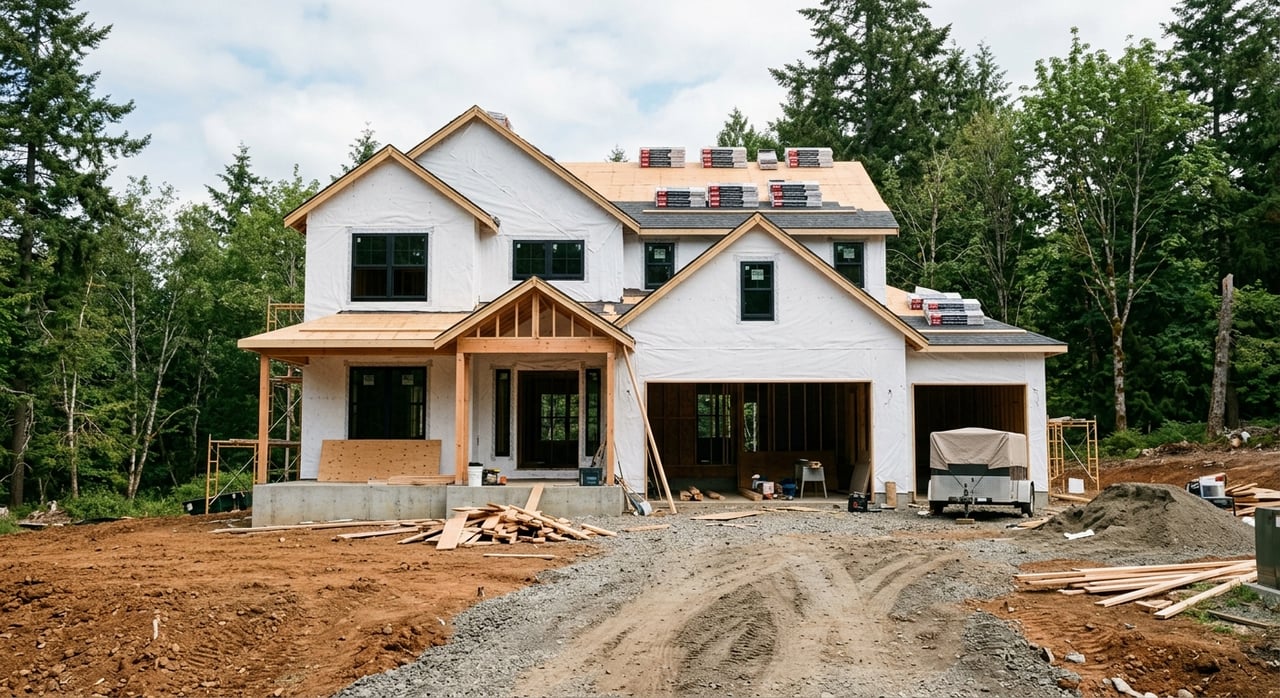
How to Build on Your Own Land in Hollywood, Maryland
April 2, 2026
April 2, 2026
Thinking about building on your own land in Hollywood, MD? It can be an exciting path to getting the home you really want, but it also comes with more moving parts than many buyers expect. If you already own a lot or are planning to buy one, the smartest first step is understanding what the land can actually support before you fall in love with a floor plan. Let’s walk through the key steps so you can move forward with more clarity and confidence.
In Hollywood and the rest of St. Mary’s County, building on your own land is usually a permit and land-use question first. According to the St. Mary’s County Permits Division, all building activity starts with county review, and projects must comply with zoning, subdivision regulations, and building and trade codes.
For a new home, the county requires a site plan prepared by a Maryland licensed surveyor or engineer. That site plan must show the proposed house location in relation to property lines, existing structures, and well and septic features. In simple terms, you need to confirm the lot works before you spend heavily on design decisions.
A lot may look buildable at first glance and still have issues that affect where or whether you can build. Setbacks, environmental restrictions, health department requirements, and utility access can all shape the final outcome.
That is why it is wise to do your research before closing on land, not after. Since the county will not issue a permit until the required reviews are complete, early due diligence can help you avoid delays, redesign costs, or a lot that does not fit your goals.
Before you plan square footage, porches, or garage size, confirm the property’s zoning and whether any special overlays apply. In St. Mary’s County, floodplain and Chesapeake Bay Critical Area rules can materially affect what can be built.
If a property falls within a FEMA Special Flood Hazard Area, the county states that permits are required before filling, grading, new construction, or major improvements. The county also notes that floodplain rules prohibit new flood-prone building sites in county subdivisions.
If the lot is in the Chesapeake Bay Critical Area, expect a more detailed review. The county may evaluate buffer impacts, lot coverage, forest cover, steep slopes, wetlands, and related site conditions.
The county’s Critical Area building permit guidance also notes that additional items may be required, including topography, recorded easements, and floor plans. For waterfront or near-water lots around Hollywood, this step is especially important.
If your lot is not served by public sewer, septic feasibility is a major part of the process. The St. Mary’s County Health Department says a perc test is required before construction of any structure with plumbing.
As of July 1, 2025, new-construction perc applications are handled through SMCHD. Maryland also requires a well construction permit for any well drilled in the state, so if your homesite will rely on a private well, that approval matters too.
Perc and well requirements do more than check a box. They can influence home placement, bedroom count, and overall site design depending on the land and approved septic area.
If you are comparing vacant land options in Hollywood, one of the biggest differences between lots is not always visible from the road. It is often in the health department and engineering details behind the scenes.
For a new single-family home on residential land, St. Mary’s County uses the Drop Off permit process rather than the On Demand process used for smaller projects. According to the county’s new-home permit application guide, you will generally need:
The county says the permit can only be issued after all applicable reviews are completed and the site plan is approved. That means a complete, accurate submission matters.
When paperwork is incomplete or inaccurate, permits can remain pending or be placed on hold. This is one reason many buyers benefit from coordinated lot-to-close guidance when building on private land.
If your lot also involves Critical Area review, the county may require extra documentation and route the file through additional agency reviews. The more complex the site, the more important it is to plan ahead.
Building a home is not just about the house itself. Site clearing, grading, driveway entrances, trenching, and utility work can trigger separate approvals.
St. Mary’s County says that construction sites disturbing one acre or more or smaller sites that are part of a larger common plan may need stormwater pollution prevention controls and NPDES coverage. Work in a county right-of-way, entrance work, or utility trenching may also require separate permits or bond coverage.
Before digging, the county recommends calling 811 through Miss Utility. That step is simple, but it is essential.
It is also a good reminder that the true timeline for building on your own land usually includes much more than choosing plans and breaking ground. Site prep can be its own phase with its own approvals.
Once you know the lot is feasible, the next big decision is your builder. The Maryland Attorney General says home builders operating in Maryland generally must register with the Home Builder Registration Unit before entering contracts for new homes, and sales representatives must register too.
The state also advises buyers to check a builder’s references, reputation, completed work, and active jobs. Just as important, the consumer guidance warns against letting a non-registered builder pressure you to pull the permit yourself.
A registered builder brings more than paperwork compliance. The Attorney General notes that registered builders also connect consumers to protections such as the Home Builder Guaranty Fund.
When you are investing in a custom home on your own land, that added layer of consumer protection matters. It is one more reason to vet the builder carefully before signing anything.
A build-on-your-lot contract should be detailed, written, and signed by both parties. Maryland’s consumer guide says the contract should clearly cover plans and specifications, price, completion date, default rules, notice procedures, dispute resolution terms, and written procedures for changes.
Maryland law treats a house built on land you already own as a custom home. Under Maryland statute, that means the custom-home rules govern how draws, deposits, and lien releases work.
Before you sign, pay close attention to:
The Attorney General’s consumer rights guide also recommends reviewing any arbitration clause carefully. Clear contract terms can help protect both your budget and your expectations.
Payment structure matters when building on your own lot. Maryland generally requires deposits for new homes to be held in escrow unless the builder has a surety bond or irrevocable letter of credit on file.
For custom homes, advance payments above 5 percent of the contract price must generally be escrowed or bonded. The same state consumer guide explains that withdrawals are limited and tied to specific uses, such as documented subcontractor or material claims under the draw schedule, permitted forfeiture under the contract, or final payment at possession or occupancy.
After each progress payment on a custom home, the builder must provide a list of subcontractors, suppliers, and materialmen who have provided more than $500 in goods or services and indicate which have been paid. Buyers are advised to verify those payments and obtain lien waivers before approving the next draw or final payment.
This part of the process is easy to overlook, but it is one of the most important protections you have during the build. Good documentation helps you keep the project moving while reducing risk.
Selections can affect both timeline and budget, so they should be addressed in the contract. Maryland’s consumer guidance says change orders should be written, substitution rules should be clear, and any third-party warranty should be reviewed carefully.
If the builder offers a third-party warranty plan, the guide says it should cover at least one year for workmanship, two years for mechanical systems, and five years for load-bearing structural elements. That gives you a useful baseline when comparing builder protections.
Before settlement, complete a final walk-through and create a punch list. If substantial work remains, some buyers negotiate an escrow holdback at settlement.
The state also notes that express warranties can arise from the plans, specifications, and even a model home, while Maryland law recognizes implied warranties of workmanship, sound engineering, and habitability. In other words, your final review should be thorough and well documented.
Building on your own land in Hollywood can be a great option if you want more control over location, layout, and long-term use of the property. The key is making sure the lot works, the builder is properly registered, and the contract protects you from start to finish.
If you want a local guide who understands both the technical side of new construction and the day-to-day decisions that come with lot-to-close planning, connect with Laura Bernth - Hammer and Heels Realtor. You will have experienced support as you evaluate land, navigate builder conversations, and move toward a home that fits your goals.
Stay up to date on the latest real estate trends.
Get assistance in determining current property value, crafting a competitive offer, writing and negotiating a contract, and much more. Contact Laura today to discuss all your real estate needs!

Laura Lee Hefley
23076 Three Notch Rd California MD 20619