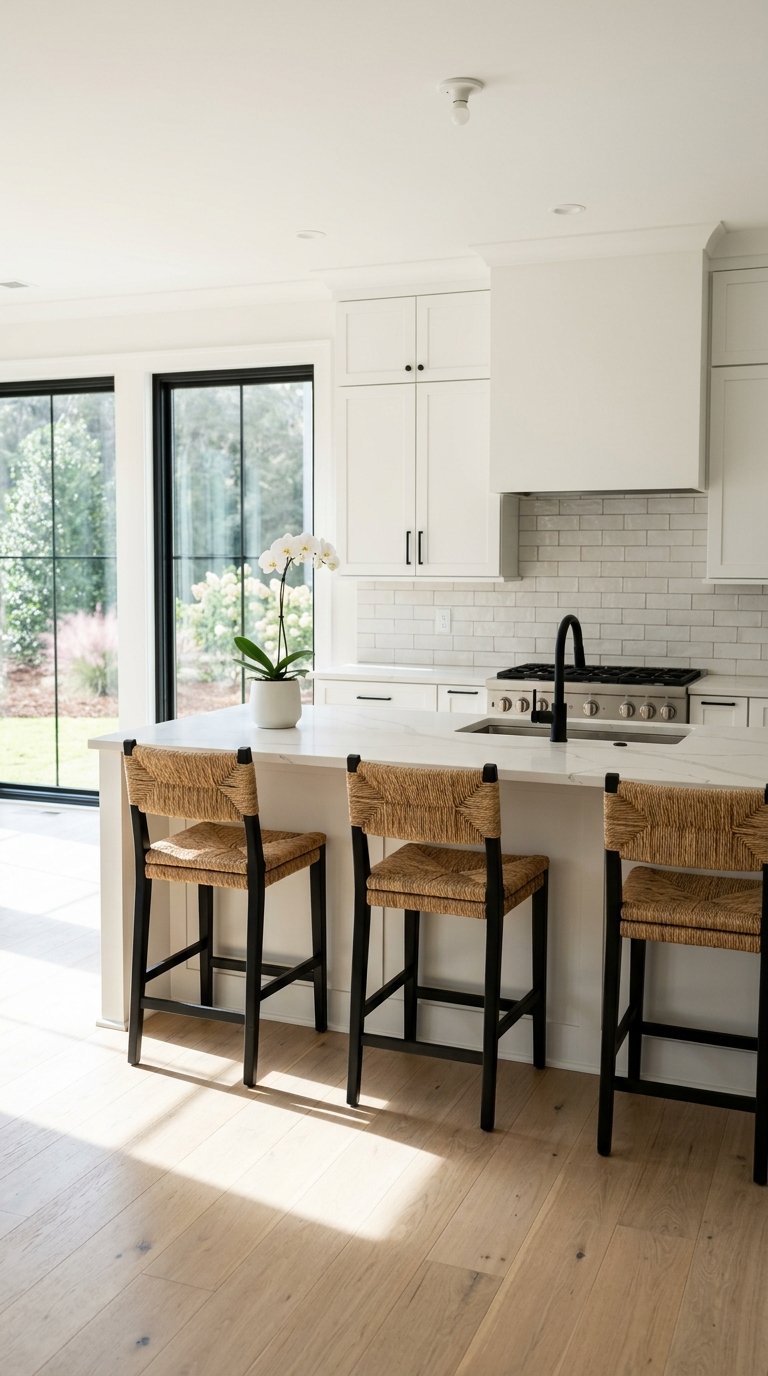
How To Choose The Right Builder In Hollywood, MD
May 14, 2026
May 14, 2026
Building a new home in Hollywood, MD can be exciting, but choosing the wrong builder can turn that excitement into stress fast. If you are comparing builders, planning a lot-to-build purchase, or trying to understand what protections you actually have, you are not alone. The good news is that Maryland gives buyers clear rules to follow, and St. Mary’s County adds helpful local requirements that can tell you a lot about a builder’s readiness. Let’s dive in.
Before you fall in love with floor plans or upgrade packages, make sure the builder is properly registered. Maryland says most home builders and sales entities must register with the Maryland Consumer Protection Division before entering a new-home contract, and that registration is tied to valid contracts and building permits.
That matters even more in Hollywood and greater St. Mary’s County, where local permit paperwork requires specific builder information. The county permit application asks for the builder name, the homebuilder registration number, and property details tied to the lot itself.
If a builder asks you to apply for the permit yourself to get around registration rules, treat that as a serious warning sign. Maryland specifically warns that buyers can lose important rights and remedies when a non-registered builder tries to shift that responsibility onto them.
New-home construction in St. Mary’s County is not just about the house plans. The permit process also looks at property-specific details like zoning, subdivision information, critical area, floodplain zone, airport overlay zone, and AICUZ.
The county also requires a site plan prepared by a Maryland licensed surveyor or engineer. A builder with real local experience should be able to explain these requirements clearly and tell you how they may affect your timeline, cost, and build options.
If you are considering modular or manufactured construction, ask which code framework applies. Maryland says manufactured homes follow HUD code, while modular homes follow Maryland state standards, and local officials still inspect installation and on-site work.
A qualified builder should be able to explain that difference in plain language. If they cannot, that may signal a weak fit for your project.
Maryland’s consumer guidance says a builder’s reputation should be one of your primary considerations. That means going beyond polished marketing materials and asking better questions.
Start by asking for references from prior customers. Maryland also recommends reviewing both a completed home and one that is currently under construction, which gives you a fuller picture of the builder’s workmanship, organization, and consistency.
Not every builder is the right builder for every job. A company that does well in a large planned community may not be the best fit for a private lot with site constraints, survey work, and county approvals.
In Hollywood, MD, local fit matters because the county permit process captures site-specific issues a builder should already understand. If your lot involves zoning questions, floodplain considerations, critical area review, or airport overlay issues, you want a builder who has handled those conditions before.
For custom homes, Maryland requires additional disclosures that can help you vet a builder more carefully. The builder must disclose adverse adjudications or unsatisfied judgments connected with a custom home contract in the last three years.
The contract must also list the primary subcontractors who will work on the home. That gives you a chance to ask about the team behind the build, not just the company name on the brochure.
A builder contract should do much more than state the purchase price. Maryland says it should spell out the construction plans and specifications, how changes will be priced, the expected start and completion dates, and the conditions that could delay the timeline.
This is one of the biggest places buyers get caught off guard. If allowances, upgrades, substitutions, and delays are not explained clearly in writing, you may not know what you are really agreeing to until much later.
Before you sign, make sure the contract includes:
If you are building a custom home, the contract should also explain how change orders affect price, whether a third-party warranty plan applies, and what the draw schedule looks like.
Deposits and progress payments deserve extra attention. Maryland says builders generally must place deposits in escrow unless they have a surety bond or irrevocable letter of credit on file with the state.
For custom homes, any deposit above five percent of the total contract price must be held in escrow or covered by a bond. That protection can be very important if a project is delayed, disputed, or never completed.
After each progress payment on a custom home, the builder must provide a list of subcontractors and suppliers who provided more than $500 in goods or services and indicate who has been paid. Before final payment, buyers should obtain waivers of liens.
Maryland also says new-home contracts are contingent on financing unless the contract expressly says otherwise. That is an easy clause to overlook, so check it carefully before signing.
You should also read notice provisions and dispute-resolution clauses closely. Some contracts require arbitration or other alternatives to court, and you want to understand that process before a problem comes up.
A strong builder should welcome informed questions. Here are some of the most useful ones to ask before you commit:
If the answers are vague, rushed, or inconsistent, slow down. Clear communication early is often a good sign of how the builder will handle the rest of the process.
A lot of buyers focus on finishes and forget to ask what happens after settlement. Maryland gives new-construction buyers express and implied warranty protection, and you should understand those protections before you close.
Unless a longer express warranty applies, the whole home is generally covered for one year, and structural defects are covered for two years. If the builder offers a third-party warranty plan, Maryland requires at least one year for materials and workmanship, two years for electrical, plumbing, heating, cooling, and ventilating systems, and five years for load-bearing structural elements.
If a builder offers a third-party warranty, do not assume everything is automatic. Maryland says buyers should verify that the builder is in good standing with the warranty company and that the home has been registered for coverage.
You should also read exclusions and claim procedures carefully. A warranty is only helpful if you understand what it covers and how to use it.
Before settlement, complete a final walk-through and create a punch list of unfinished or incomplete items. Maryland also advises buyers to put concerns in writing, keep copies, and maintain a contact log.
If major work is still incomplete at settlement, you may ask for an escrow holdback until that work is finished. That can help create accountability without stopping the closing entirely.
Even with careful planning, disputes can happen. Maryland’s Home Builder Guaranty Fund may pay up to $50,000 per claim for losses caused by a registered builder’s unfinished construction, broken warranties, failure to meet building standards, or deposits the builder must return.
There are rules to use that fund. You must have a contract with a registered builder after January 1, 2009, write to the builder first, allow the builder to inspect the issue, give a reasonable time to make repairs, and use the warranty plan first if one exists.
Claims must be filed within two years after discovering the loss or within two years after the warranty expires, whichever comes first. If the issue is still unresolved, Maryland’s Consumer Protection Division may mediate, and some contracts may require arbitration before further action.
Choosing a builder is not just about design style or price per square foot. In Hollywood, MD, it also means finding someone who can navigate St. Mary’s County paperwork, explain site conditions clearly, and put every major promise in writing.
That is where experienced guidance can make the process feel a lot less overwhelming. When you have someone in your corner who understands lot-to-close construction, builder contracts, and the local market, it becomes easier to ask smart questions and move forward with confidence.
If you are comparing builders, exploring land in Hollywood, or planning a new-construction move in St. Mary’s County, Laura Bernth - Hammer and Heels Realtor can help you evaluate your options, understand the process, and make a more confident decision.
Stay up to date on the latest real estate trends.
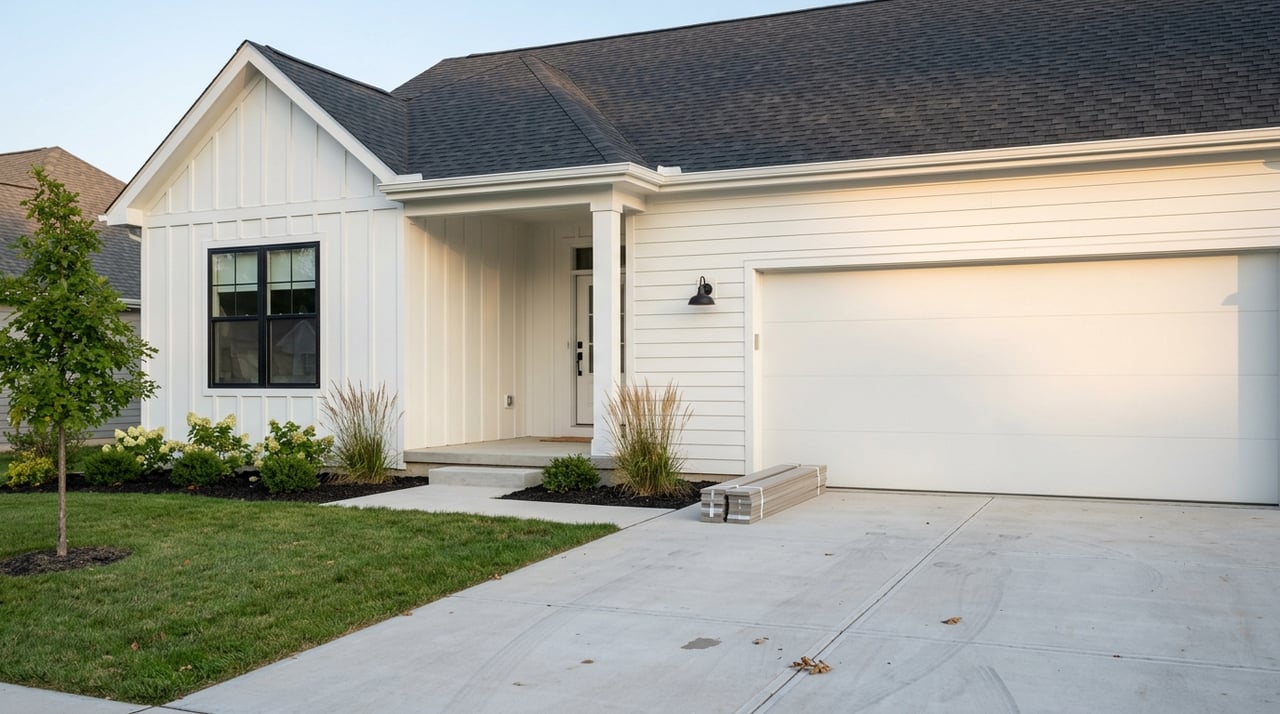
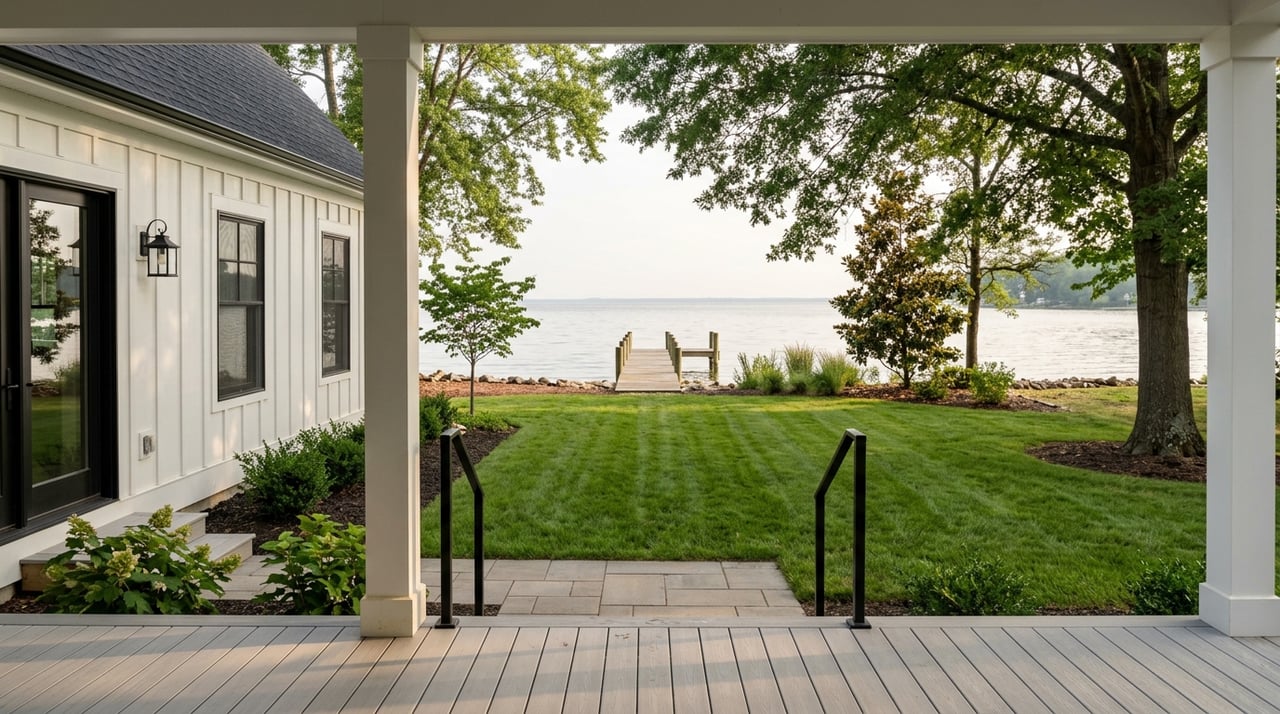
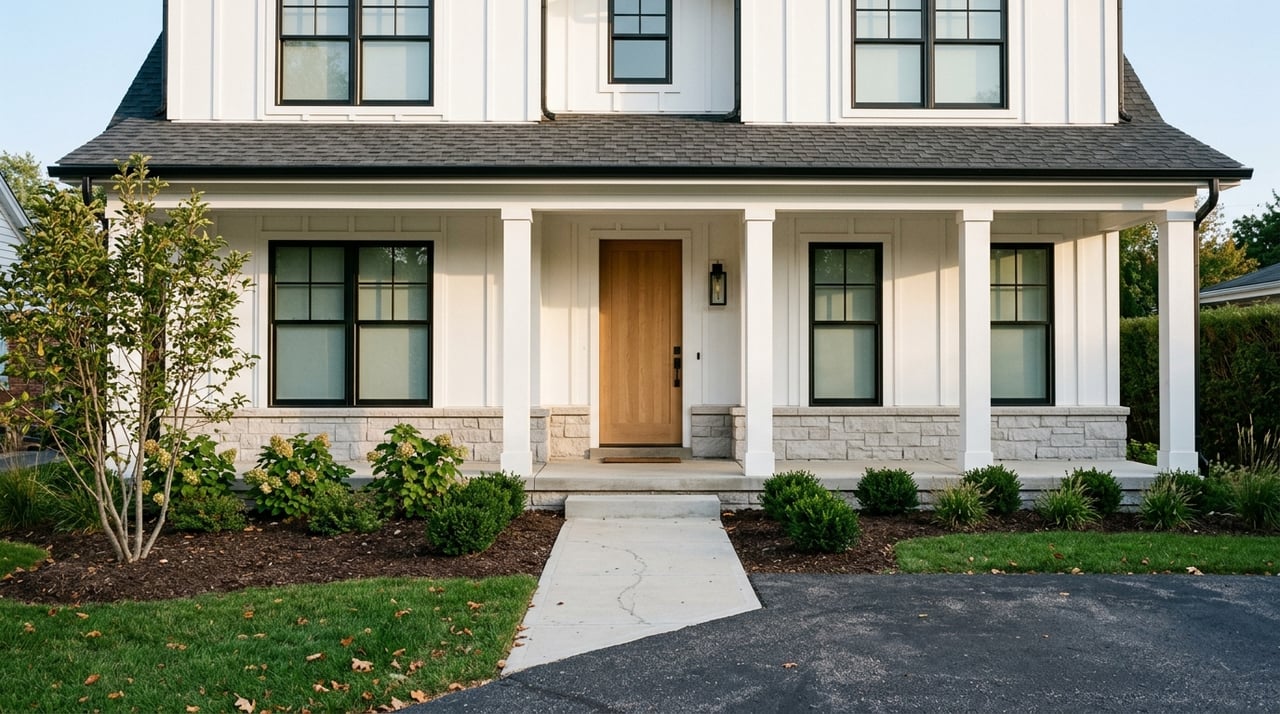
Get assistance in determining current property value, crafting a competitive offer, writing and negotiating a contract, and much more. Contact Laura today to discuss all your real estate needs!

Laura Bernth
23076 Three Notch Rd California MD 20619