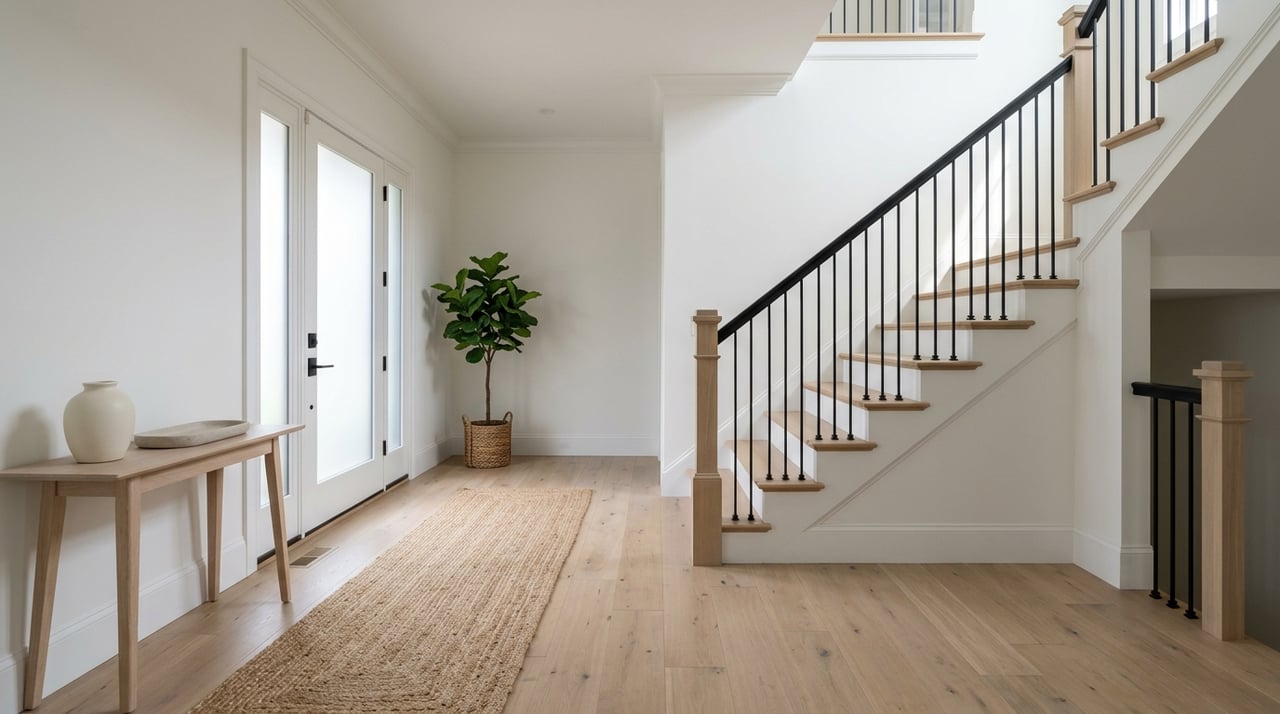
Move-Up Buyer Guide For Mechanicsville Homeowners
June 18, 2026
June 18, 2026
If you own a home in Mechanicsville and need more space, a different layout, or a better fit for your next season, timing can feel like the hardest part. You want to move forward without getting stuck carrying two homes or missing the right next property. The good news is that with a clear plan, you can make a move-up purchase with far less stress. Let’s walk through how to prepare, what your options are, and how to choose the best path in today’s local market.
In 20659, the market is active enough that your move-up plan should start before your current home goes live. Recent local data shows listings can move in weeks, not months, even though exact timing varies by source and reporting period. That means you will usually be better served by getting your financing, pricing strategy, and sale plan lined up early.
The local numbers all point in the same direction. Realtor.com shows 79 listings in 20659, a median list price of $465,000, median days on market of 22, and a 100% sale-to-list ratio. Redfin describes the area as very competitive, with homes selling in 49.5 days on average and some multiple-offer situations, while Bright MLS reports 1.38 months of supply in St. Mary’s County, a median sold price of $430,000, average days on market of 45, and an average sold-to-original-list ratio of 96.7%.
Before you tour homes, you need a realistic picture of what you can buy and what your current home may contribute to the move. For most move-up buyers, that starts with two numbers: your mortgage preapproval and your estimated net proceeds from your sale. Together, those numbers shape everything from price range to timing.
A move-up plan works best when you know how much equity you may have available after paying off your current loan and sale costs. You do not need an exact figure on day one, but you do need a grounded estimate. That helps you avoid shopping too high, writing offers you cannot comfortably support, or rushing into a sale without enough planning.
Fannie Mae recommends talking with a few lenders early so you can compare rates, fees, and loan terms. This step also helps you understand the difference between a quick prequalification and a stronger preapproval. In a market where buyers should expect competition, stronger financing paperwork can matter.
Preapproval also helps answer an important move-up question: can you qualify for the next home while still owning your current one? If the answer is yes, you may have more flexibility. If the answer is no, selling first may be the safer and cleaner route.
Your next step is to estimate what you may walk away with after your current home sells. That usually includes your likely sale price, your remaining mortgage balance, and expected selling costs. Even a rough estimate can help you decide whether your equity is enough for your down payment, closing costs, and moving expenses.
This is where a local pricing strategy matters. In Mechanicsville, where market pace can shift quickly, your sale proceeds depend not just on your home’s condition but also on timing, competition, and pricing accuracy.
Most move-up buyers in Mechanicsville will land on one of three paths. The best option depends on your finances, risk tolerance, and how much flexibility you have with timing.
This is often the clearest path. The CFPB notes that homeowners normally try to sell their current home before buying another one, especially when the next purchase depends on equity from the current sale.
Selling first gives you clarity on your budget. You know what your home actually sold for, how much cash you have available, and what monthly payment feels comfortable before you write an offer on the next property.
This option can also reduce stress if you want to avoid carrying two mortgages at once. The tradeoff is that you may need temporary housing, a rent-back arrangement, or a flexible closing timeline if you cannot line up both transactions perfectly.
Buying first can work if you can comfortably qualify while still owning your current home. This path gives you more time to shop and move in a more controlled way, which can be helpful if you have a busy household or need a smoother transition.
Still, this option comes with more financial exposure. The CFPB notes that buying can be risky and expensive if you may need to move again within a few years because of transaction costs like commissions, taxes, and other expenses. For move-up buyers, the main concern is being stretched too thin before the old home sells.
A home-sale contingency can create a middle ground. Freddie Mac explains that this type of contingency gives you a defined period to sell your current home, and if that sale does not happen in time, the contract may be canceled with earnest money returned.
That protection can be valuable, but it does not make your offer stronger. Freddie Mac also notes that sellers often keep marketing the property while the contingency is in place, so there is less certainty for you as the buyer. In an active Mechanicsville-area market, a contingent offer may be realistic in some situations, but it needs careful timing and strong supporting terms.
If you need to buy while managing a sale, every part of your offer needs to look organized and realistic. A complex offer is not automatically a bad offer, but it usually needs fewer loose ends.
Fannie Mae says earnest money is typically 1% to 3% of the offer price. It also defines contingencies as conditions like inspection or financing approval, while Freddie Mac notes that contingencies can prolong closing and make an offer more complex. For move-up buyers, that means a sale contingency should be paired with a practical closing window and strong lender documentation.
You cannot control every competing offer, but you can control your preparation. These steps can help:
A stronger move-up offer is usually one that feels dependable. Sellers want to see that you understand your own timeline and finances.
For many move-up buyers, the ideal outcome is a back-to-back closing or a short gap between transactions. Fannie Mae notes that timing information and flexible closing dates can be part of an offer, which can make slightly staggered closings possible when both sides agree.
In practice, the right gap depends on your sale timeline, your lender’s requirements, and the seller’s flexibility on the next home. Some households want same-day closings. Others prefer a few extra days so they can move in stages and avoid a rushed handoff.
There is no one perfect answer, but the key is to leave enough room for real-life logistics. If your sale has to fund your purchase, your dates need to be coordinated with care. If you have more flexibility, a short buffer can make moving less stressful.
A practical plan often includes:
In a market like Mechanicsville, where the pace can feel quick, your timeline should be intentional rather than reactive.
In many cases, yes. You do not always need to wait until your home is live on the market to begin looking, but you should usually have your sale strategy and lender conversation done first.
That approach gives you a more honest view of what is possible. It also helps you act faster when the right home appears, because your current home, your financing, and your timing are already part of one plan instead of three separate moving pieces.
For some Mechanicsville homeowners, a move-up purchase may include a new-construction home rather than a resale property. This route can offer more predictable build selections, updated layouts, and a later move timeline, which may help if you need more time to prepare your current home for sale.
At the same time, new construction has its own timing and contract details. If you are weighing a resale home against a build, it helps to compare not just price, but also delivery timing, financing deadlines, and how your current-home sale fits into the builder’s schedule.
If you are feeling pulled in three directions, keep the process simple. Start with financing, estimate your net proceeds, and then choose the path that best fits your comfort level.
For most Mechanicsville move-up buyers, the smartest summary is this: get preapproved, estimate what your current home may net, and then decide whether selling first, buying first, or writing a carefully structured contingent offer gives you the best balance of opportunity and control.
When you have a local strategy and a clear timeline, moving up feels much more manageable.
If you are thinking about your next move in Mechanicsville or anywhere in St. Mary’s County, Laura Bernth - Hammer and Heels Realtor can help you map out the sale, purchase, and timing plan with clear local guidance.
Stay up to date on the latest real estate trends.

Get assistance in determining current property value, crafting a competitive offer, writing and negotiating a contract, and much more. Contact Laura today to discuss all your real estate needs!

Laura Lee Hefley
23076 Three Notch Rd California MD 20619