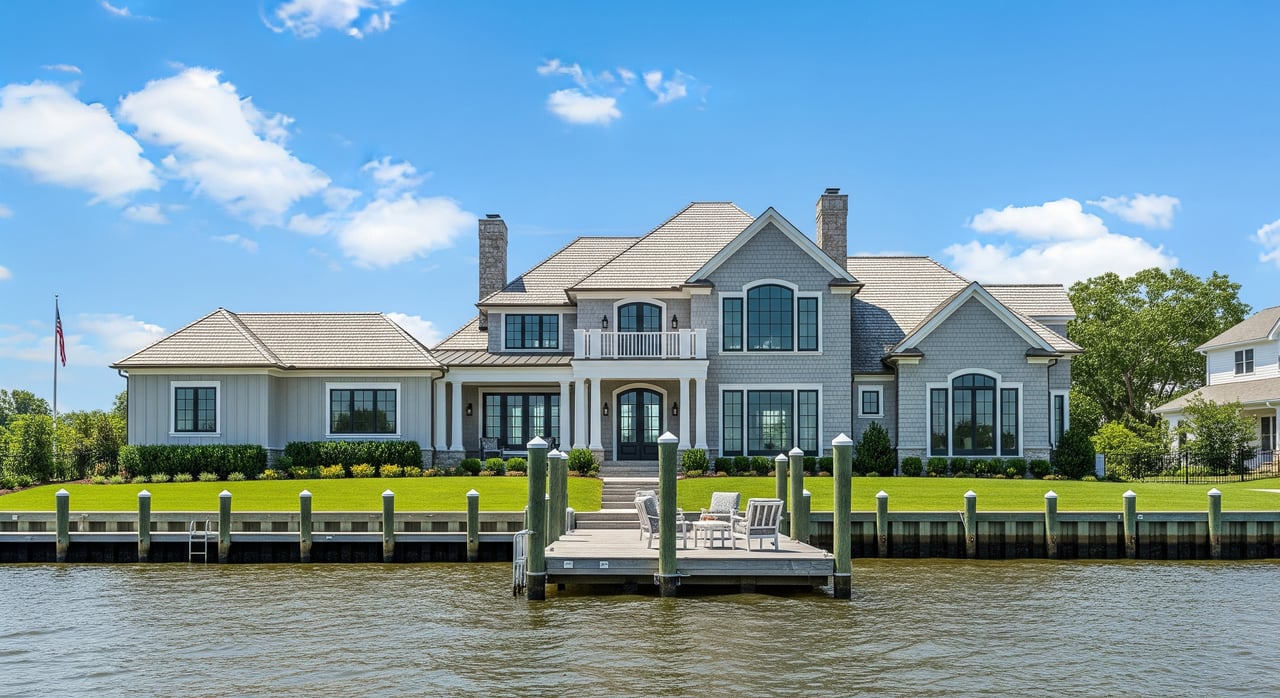
New Construction vs Resale Homes in Chesapeake Ranch Estates
January 8, 2026
January 8, 2026
Choosing between a brand-new build and a lived-in home in Chesapeake Ranch Estates can feel overwhelming. You want the right house at the right price, and you also want to avoid surprises with things like flood risk, septic systems, and community rules. In this guide, you’ll learn how new construction and resale homes compare on cost, customization, timelines, risks, and long-term value in 20657. You’ll also get practical checklists tailored to Chesapeake Ranch Estates so you can move forward with clarity. Let’s dive in.
Chesapeake Ranch Estates sits in Calvert County within the Washington–Arlington–Alexandria metro region. The community includes waterfront and inland lots, canals, marinas, beaches, trails, and a property owners association that governs covenants and amenities. Waterfront exposure, canal access, and lot elevation are major value drivers here. Because of water proximity and varied topography, site conditions and insurance considerations can shape your total cost of ownership.
New construction typically carries a premium for fresh finishes, energy-efficient systems, and warranty coverage. In Chesapeake Ranch Estates, that premium can be higher on waterfront or canal-front lots. A resale home often offers a lower entry price, especially if it needs updates, and you may have more room to negotiate on properties that have been on the market longer.
Total cost of ownership matters as much as price. With new construction, you may benefit from modern insulation and systems that can lower utility costs and reduce early repair risk. With resale, budget for potential updates, septic work, shoreline maintenance if applicable, and insurance that reflects the specific flood zone and elevation of the lot.
New construction gives you choices. You can select floor plans, finishes, and energy features, and you’ll typically receive builder warranties for workmanship and structure. Starting fresh also means new roof, HVAC, electrical, and plumbing, all built to current code.
Resale homes come with a more established setting. Mature landscaping, finished driveways and decking, and an already-functioning home can be appealing. If a resale needs updates, you can renovate on your timeline and focus your budget on the spaces that matter most to you.
Many parcels in Chesapeake Ranch Estates are near the Bay, canals, or coastal inlets. Flood zone designation and elevation certificates can significantly influence your insurance premiums and your long-term risk. Before you fall in love with a home or lot, identify its flood zone, request any existing elevation certificate, and get insurance quotes that reflect the exact site conditions.
Not every property here is on public water or sewer. Calvert County health rules govern septic design, repairs, and replacements, and new builds must meet modern standards. For any property, confirm sewer connection or septic permits, the age and type of system, and recent service history. If a well serves the home, verify water quality testing requirements and any county guidance on wells.
If you are buying on the water, factor in shoreline protection and bulkhead or dock maintenance. Some shoreline work can require county, state, or federal permits. Assess current conditions, expected upkeep, and potential permitting requirements as part of your due diligence.
A new build typically includes lot preparation, permit approvals, multiple county inspections, and a final certificate of occupancy. Weather and supply chain delays can shift timelines, so lock down a realistic schedule with your builder and understand the windows for completion. Plan for independent phase inspections if you want third-party eyes on foundation, framing, and mechanical systems.
A resale purchase often closes faster once inspections, title review, and financing are complete. The tradeoff is that you need a thorough home inspection, plus specialized checks for septic, well, flood elevation, and any waterfront structures. You may negotiate repairs or credits after inspections, which can add a bit of time but helps align the home with your expectations.
Conventional loans are common, and some buyers may qualify for VA or FHA financing. USDA eligibility depends on federal maps, so verify whether a specific address in 20657 qualifies. Appraisals can be more nuanced in neighborhoods with mixed ages and features. If new construction sales are limited in a section of the community, appraisers may rely on older resale comps and adjust for condition, which can constrain appraised value.
Builders may offer incentives such as rate buydowns, closing cost help, or design upgrades. Weigh the net value of those incentives against a possible price reduction on a resale home. The best option depends on your priorities and the current supply of new builds and resale listings in your segment of Chesapeake Ranch Estates.
Many properties in Chesapeake Ranch Estates fall under a property owners association with recorded covenants. These can affect exterior appearance, setbacks, parking, docks and piers, and access to community amenities. New builds may require design approvals under the POA process.
For waterfront parcels, title review should include riparian rights and any easements that affect access or maintenance. Ask for a full breakdown of dues, special assessments, design review steps, and any deed restrictions that may influence your plans.
In Chesapeake Ranch Estates, future resale value often tracks with waterfront exposure, canal access, lot elevation, modern systems, and proximity to community amenities. Risk factors include flood exposure, shoreline degradation, deferred structural maintenance, and the age or condition of septic systems. Insurance availability and premiums can change over time, so build a budget that is resilient to those shifts.
Use this checklist to streamline your due diligence before signing a construction contract.
A focused plan helps you identify hidden costs and avoid surprises after closing.
If you are deciding whether to list a resale home as-is or invest in updates, these steps can help clarify the path.
If you want a construction-savvy partner who understands Chesapeake Ranch Estates and the details that drive value here, let’s talk about your goals and create a plan that fits your budget and timeline. Reach out to Laura Bernth - Hammer and Heels Realtor for local guidance from lot to close.
Stay up to date on the latest real estate trends.



Get assistance in determining current property value, crafting a competitive offer, writing and negotiating a contract, and much more. Contact Laura today to discuss all your real estate needs!

Laura Lee Hefley
23076 Three Notch Rd California MD 20619