Leave a Message

Thank you for your message. I will be in touch with you shortly.

Ready to Sell in Chesapeake Ranch Estates? Your 30‑Day Plan

January 15, 2026

Thinking about listing your Chesapeake Ranch Estates home in the next month? You can absolutely get to market in 30 days with a focused plan and the right local guidance. If you follow a clear timeline, you will price with confidence, handle disclosures, and launch with a polished, show‑ready presentation that stands out. This guide walks you through a proven week‑by‑week plan tailored to 20657 and Calvert County, including special tips for waterfront and water‑access homes. Let’s dive in.

Why a 30‑day plan matters in 20657

Chesapeake Ranch Estates sits on the western shore of the Chesapeake Bay, with a mix of inland and waterfront properties. Features like views, docks, bulkheads, and boat access can drive value and also require specific disclosures and maintenance records. Your plan needs to account for those details from day one.

The area is part of the Washington–Arlington–Alexandria market. Buyer activity can be seasonal in the Mid‑Atlantic, with stronger interest in spring and early summer. Waterfront listings often shine when outdoor spaces are staged and photographed in good light, but solid preparation helps any time of year.

Week 1: Decide and document (Days 1–7)

Start strong by getting your team and paperwork in order. This sets the stage for fast, confident decisions.

  • Interview and hire a local agent experienced in Chesapeake Ranch Estates. Discuss pricing strategy, marketing, commission, and timing.
  • Order a Comparative Market Analysis (CMA) for realistic price guidance tailored to your lot type and condition.
  • Schedule a pre‑listing walk‑through to identify priority repairs and staging needs.

Gather essential documents so buyers and their lenders can act quickly:

  • Deed, current mortgage payoff, and your latest property tax bill.
  • Survey or plat, plus any easement or boundary documents.
  • HOA or POA covenants, bylaws, fee schedule, and any special assessments.
  • Recent utility bills, insurance declarations page, and maintenance records.
  • Permits and certificates of occupancy for additions or renovations.
  • Any prior inspection reports or mitigation records.
  • Flood history and insurance information if your property is in or near a FEMA flood zone or has had flooding.

Week 2: Repairs and staging prep (Days 8–14)

Focus on repairs that will matter most during showings and inspections. Target safety and function first, then polish.

  • High‑impact fixes: loose railings, broken steps, plumbing leaks, HVAC issues, faulty electrical, roof leaks, and sticky locks or hardware.
  • Cosmetic improvements: fresh neutral paint, minor flooring repairs, grout touch‑ups, and cabinet hardware refreshes.
  • Deep clean: carpets, windows, gutters, and outdoor spaces. Clear pathways to decks, patios, or docks.

Declutter and depersonalize so buyers can picture themselves at home. Remove excess furniture, store bulky items, and keep surfaces clear. Decide whether to use professional staging or an agent‑guided approach. For waterfront homes, stage outdoor areas to highlight views and access.

If major repairs will not be completed, discuss how to disclose them and price accordingly. Go ahead and book professional photography for Week 3 to lock in availability.

Week 3: Inspections, pricing, and marketing assets (Days 15–21)

This week is about final decisions and polished materials.

  • Consider a pre‑listing home inspection. It can reduce surprises later and support your price, though you will weigh the cost and potential buyer scrutiny.
  • Finalize your list price after reviewing the CMA, repair estimates, and any inspection findings.
  • Complete required Maryland disclosures. Be thorough on material defects, environmental hazards, lead paint if applicable, and known well/septic issues.

Build a strong marketing package that fits how buyers shop in 20657:

  • Professional interior and exterior photos. For waterfront, include dock, bulkhead, and outdoor living areas.
  • Aerial or drone imagery if permitted and done by a licensed operator. This helps show relation to the water and surrounding features.
  • Floor plans and room dimensions to help out‑of‑area buyers evaluate layout.
  • A property highlights sheet: water access type, dock or slip details, bulkhead condition, flood zone status, well and septic information, recent upgrades, and community amenities that are verified with association documents.
  • Confirm showing logistics, lockbox placement, and where signs are allowed under HOA rules.

Week 4: Launch and showings (Days 22–30)

It is go time. You want a clean, complete listing, targeted outreach, and tight showing coordination.

  • Activate on the MLS with full details and complete photo sets. Coordinate syndication to major portals.
  • Execute targeted marketing: neighborhood flyers, agent network alerts, social media, and broker tours. Verify sign placement rules with the HOA.
  • Host an open house timed for strong buyer activity. Have disclosures and your highlights sheet ready for visitors.
  • Track feedback and early showing data. Adjust price or marketing elements if the first week’s response is soft.
  • For offers, review price, financing, contingencies, inspection timelines, and settlement date. Prepare a negotiation strategy that fits your goals.

How to price for Chesapeake Ranch Estates

A credible CMA focuses on very close comparables. You want recent sales within 3 to 6 months that match lot type, bed/bath count, square footage, and condition. For waterfront or water‑access homes, small differences in frontage, pier rights, flood exposure, and bulkhead condition can move the value.

Talk through pricing strategies with your agent:

  • Market‑value pricing aims to maximize your price with a manageable days‑on‑market window.
  • Attractive pricing can spur multiple offers when inventory is tight.
  • If you are deferring repairs, price to reflect an as‑is sale or collect estimates and disclose clearly.

Thin comps can create appraisal risk, especially with unique or waterfront homes. Your agent can prepare a comps packet for the appraiser. Evaluate offers based on earnest money, inspection periods, financing strength, appraisal terms, and closing date fit, not just price.

Local rules and risks to verify

Selling near the Bay means extra diligence on systems, shoreline, and flood information. Plan for the time and paperwork now so you do not face delays later.

HOA or POA requirements

Confirm whether your property is subject to an association. Gather governing documents, fee schedules, architectural guidelines, and any rental restrictions. Some associations require resale packages or estoppel letters before closing, so budget for cost and timing.

Septic and well

Many homes here use private septic and wells. Verify county expectations for septic compliance checks and any well potability testing at transfer. Collect maintenance records and be ready to schedule inspections through the Calvert County Health Department processes.

Flood zones and insurance

Properties close to the Bay or tributaries may be in FEMA flood zones. Compile flood insurance policies, claims history, and any elevation information you have. Be transparent about past flooding; buyers will weigh flood insurance costs and coverage.

Shoreline, docks, and bulkheads

Document the condition and permitting status of docks, bulkheads, or shoreline improvements. Some repairs or replacements need permits from state or county agencies. Gather permits or contractor records if you have completed work.

Title and survey

If you have an existing survey, provide it. If not, a new survey can resolve questions about boundaries, access paths, and easements that sometimes come with waterfront or water‑access lots. A local title company can flag encumbrances and help clear them.

Taxes and transfer costs

Ask your agent and title company for an estimate of transfer taxes, prorated property taxes, HOA transfer fees, title charges, and any attorney fees. These amounts change over time, so update estimates before you set your net‑sheet expectations.

Marketing that works here

Photos and media

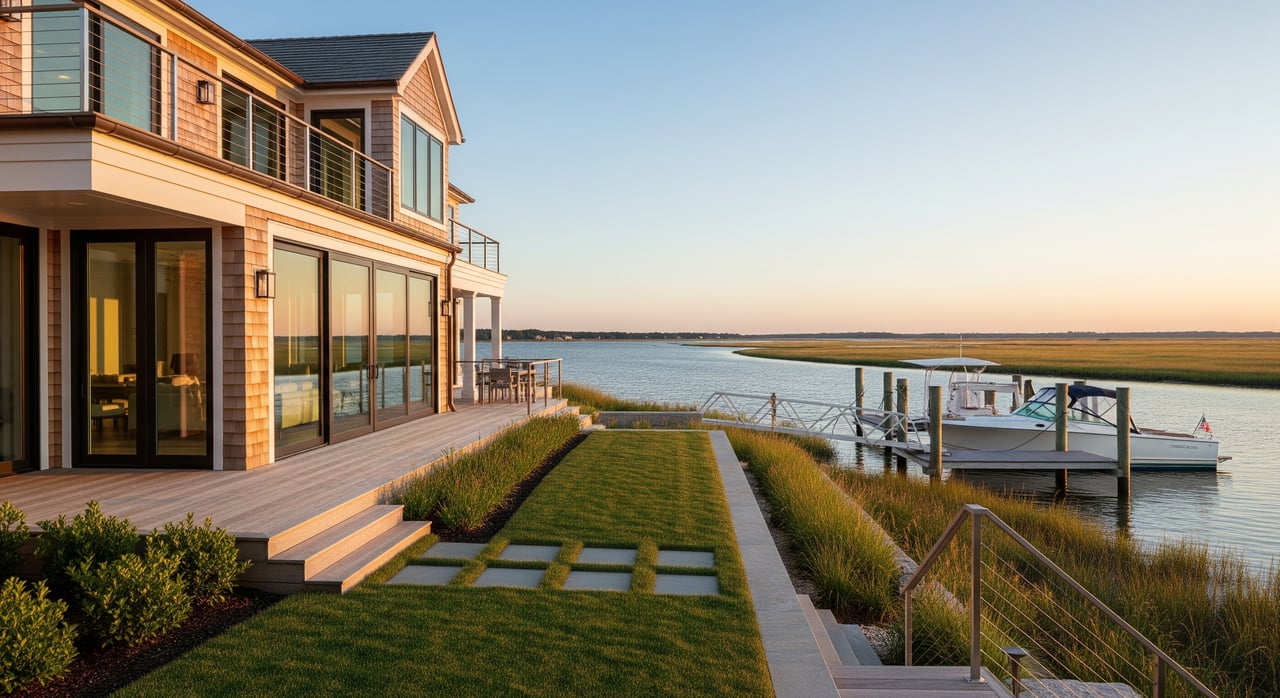
Professional photography is essential. For water‑oriented properties, include sunrise or sunset angles if they show well. Aerial images, when permitted, can help buyers understand your setting relative to the water, marina access, and nearby amenities. Floor plans and virtual tours are especially helpful for out‑of‑area buyers.

Staging tips

Keep interiors neutral, bright, and streamlined so views and flow stand out. Stage outdoor living areas to suggest weekend relaxation and easy entertaining. Minimize heavy nautical themes; a few tasteful coastal touches go a long way.

Showings and open houses

Provide clear access instructions, especially for gates or community amenities. If you have a dock, add simple notes about safe access. Remove or secure valuables and plan for pet arrangements. Consider broker previews to gather early feedback from local agents.

Costs, timing, and roadblocks

Plan ahead for the most common seller expenses:

  • Real estate commission as negotiated with your agent.
  • Title and settlement fees, transfer taxes, prorated property taxes, and HOA resale fees if applicable.
  • Repairs and prep, which vary widely by condition and systems.
  • Staging, professional photos, and virtual tours.

Timing from list to contract depends on inventory and demand. Unique waterfront homes can take longer to match with the right buyer. Build time into your plan for HOA resale documents, septic and well checks, and any required county inspections or permits.

Watch for these common obstacles and mitigate early:

  • Flood zone concerns or insurance costs. Share clear documentation.
  • Septic system age or performance. Inspect, service, and provide records.
  • Bulkhead or dock issues. Gather permits and contractor opinions.
  • Missing permits on past improvements. Locate paperwork or consult pros.
  • Title or access easement questions. Engage a local title company promptly.

Your quick 30‑day checklist

  • Hire a local agent and get a CMA within 48 to 72 hours.
  • Gather deed, payoff, tax bill, survey, HOA documents, permits, insurance, utilities, and any prior inspections.
  • Complete safety and function repairs; declutter and deep clean.
  • Decide on staging; prep outdoor areas, especially for waterfront.
  • Schedule professional photos and, if permitted, aerials in Week 3.
  • Finalize price, complete Maryland disclosures, and confirm showing logistics.
  • Launch on the MLS with full marketing, host broker previews and open house.
  • Track feedback and adjust quickly; be ready with a negotiation plan.

Ready to move forward?

You do not need to tackle this alone. With a construction‑savvy approach and concierge‑level service, you can prep, price, and launch with confidence in Chesapeake Ranch Estates. Backed by RE/MAX One exposure and local vendor relationships, we help you manage repairs, staging, disclosures, and a data‑driven pricing strategy from day one. When you are ready, connect with Laura Bernth - Hammer and Heels Realtor to get your instant home valuation and a tailored 30‑day plan for your property.

FAQs

What should I prioritize fixing before listing in Chesapeake Ranch Estates?

  • Focus on safety and function first, including railings, steps, plumbing leaks, HVAC issues, electrical concerns, roof leaks, and door or window hardware that will likely appear on inspections.

Do I need a pre‑listing inspection in Calvert County?

  • It is optional but can reduce surprises, support pricing, and give you time to address issues; weigh the cost and the potential for buyer scrutiny alongside your timeline.

How do flood zones affect my home sale in 20657?

  • Buyers consider flood zone status, elevation information, past claims, and insurance costs, so compile your flood history and policy details to answer questions early.

What disclosures are required for Maryland sellers?

  • Work with your agent to complete Maryland’s seller disclosures covering material defects, environmental hazards, lead paint when applicable, and known well or septic issues.

How do septic and well systems factor into a sale near the Bay?

  • Many homes rely on private systems; plan for county expectations on septic checks and well potability testing, and provide maintenance records to build buyer confidence.

When is the best time to list in Chesapeake Ranch Estates?

  • Spring and early summer typically see stronger Mid‑Atlantic buyer activity, though waterfront homes can show well across a broader window when outdoor spaces are staged and photographed effectively.

Work With Laura

Get assistance in determining current property value, crafting a competitive offer, writing and negotiating a contract, and much more. Contact Laura today to discuss all your real estate needs!